
Many of the highest-paying trade jobs offer competitive salaries, strong job security, and real room to advance, and most of these careers start with an apprenticeship or a certificate instead of a bachelor’s degree. Not only that, but demand keeps outpacing the number of available workers, so the work will still be there long after the training pays off.
Construction, manufacturing, energy, and infrastructure all rely on skilled labor, and shortages across these industries continue to drive up wages. Pay varies with factors like trade, experience, job location, certifications, and overtime. Each of the highest-paying trades on this list comes with median and top-end pay figures, the training and licensing required to get in, and demand projections over the next decade.
Why Skilled Trades Continue to Offer High-Paying Careers
Skilled trades continue to pay well because there aren’t enough workers to fill the jobs. In a 2025 survey of nearly 1,400 construction firms, 92 percent reported difficulty filling open positions. Other industries feel it too. BLS projects the four fastest-growing industries of the decade will all be in energy generation, and infrastructure work keeps roads, bridges, and utility systems drawing on the same labor pool.
Electricity demand is the clearest driver. BLS expects power needs from AI, data centers, and electric vehicles to keep climbing over the next decade. The grid buildout behind that has utilities competing for line workers, and lineman salary figures rank among the highest in the trades as a result. The same wage pressure runs through plants, job sites, and shops, and the paychecks land without the four-year degree or the debt.
What Makes Some Trade Jobs Pay More Than Others?
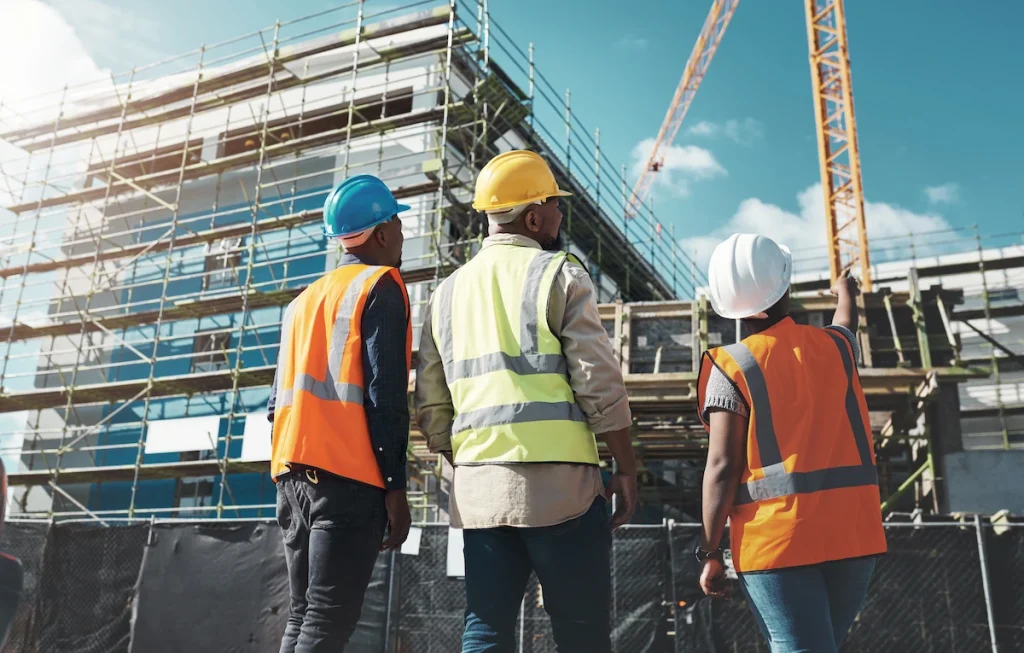
When it comes to what makes some trade jobs pay more than others, the answer is mostly certifications, licensing, and the demands of the work itself. Take welders, for example. The trade’s median pay is $51,000, but the top 10 percent earn over $75,850, and certifications are the main reason many welders earn at the top.
Licensing pushes pay higher in the same way, across the highest-paying trade jobs, since electricians, plumbers, and elevator installers all need a license. This limits who can legally do the work, keeping demand high for licensed tradespeople.
The rest comes down to what the job requires. Dangerous work pays extra, whether that’s pressure vessels, energized lines, or working underwater. Plant shutdowns and seasonal peaks add overtime to base pay. Jobs at remote sites or with heavy travel usually pay more, and union scale and local demand drive the numbers even higher.
15 Highest Paying Trade Jobs
From avionics technicians in hangars to electricians in 24/7 manufacturing plants, these 15 trades deliver some of the strongest paychecks in skilled work. Salary and outlook figures below come from the Bureau of Labor Statistics May 2024 wage data and 2024 to 2034 employment projections, unless noted otherwise.
Electrician
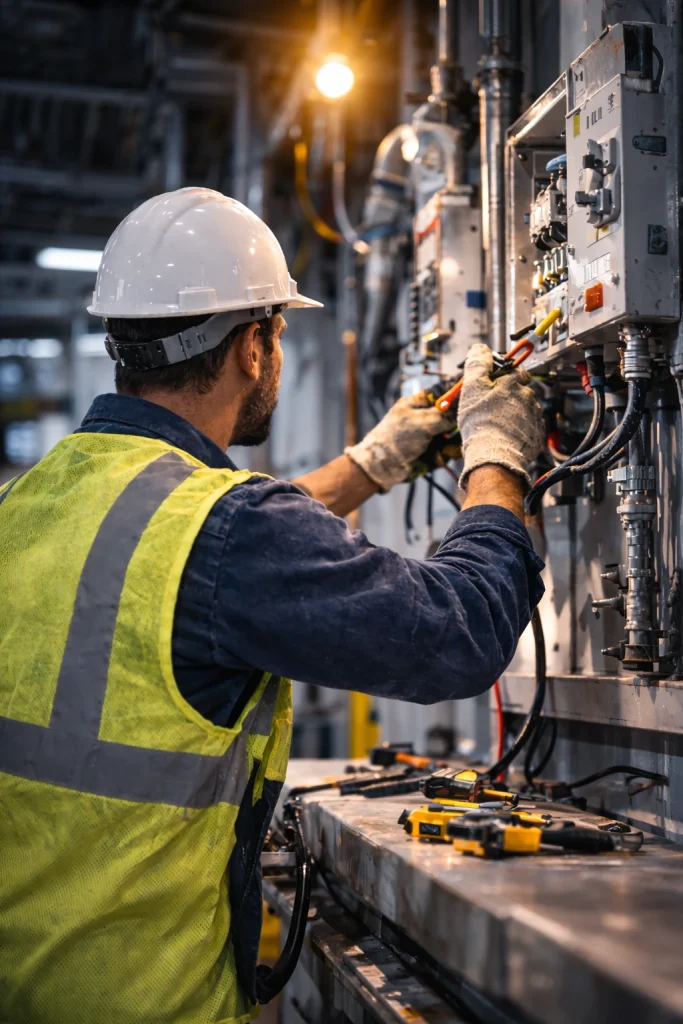
Electricians install, maintain, and repair the wiring and electrical systems that power homes, factories, and job sites. The median electrician salary was $62,350, and the top 10 percent of earners cleared $106,030.
Most electricians learn the trade through a four- or five-year paid apprenticeship, and most states require a license. BLS projects 9 percent growth through 2034, with about 81,000 openings a year.
Elevator Installer and Repair Technician
Elevator and escalator installers keep a building’s vertical transportation running, handling new installations, service calls, and modernization work. The median wage was $106,580, the highest of any trade on this list, with the top 10 percent earning more than $149,250.
Getting in takes a four-year apprenticeship, and most states license the trade. BLS expects 5 percent growth through 2034, with around 2,000 openings each year.
Power Line Installer and Repairer
Power line installers and repairers build and maintain the electrical grid, working on the transmission and distribution lines that carry power from plants to buildings. The median wage was $92,560, and the top 10 percent earned more than $126,610.
Line workers typically train through apprenticeships or employer programs lasting up to three years. BLS projects 7 percent growth through 2034, with about 10,700 openings a year.
HVAC Technician
HVAC technicians install and service the heating, cooling, and refrigeration systems that keep homes and commercial buildings running. The median HVAC technician salary was $59,810, with the top 10 percent earning more than $91,020.
Techs train through a postsecondary program lasting six months to two years, and the EPA requires certification to handle refrigerants. BLS projects 8 percent growth through 2034, with about 40,100 openings a year.
Industrial Maintenance Technician
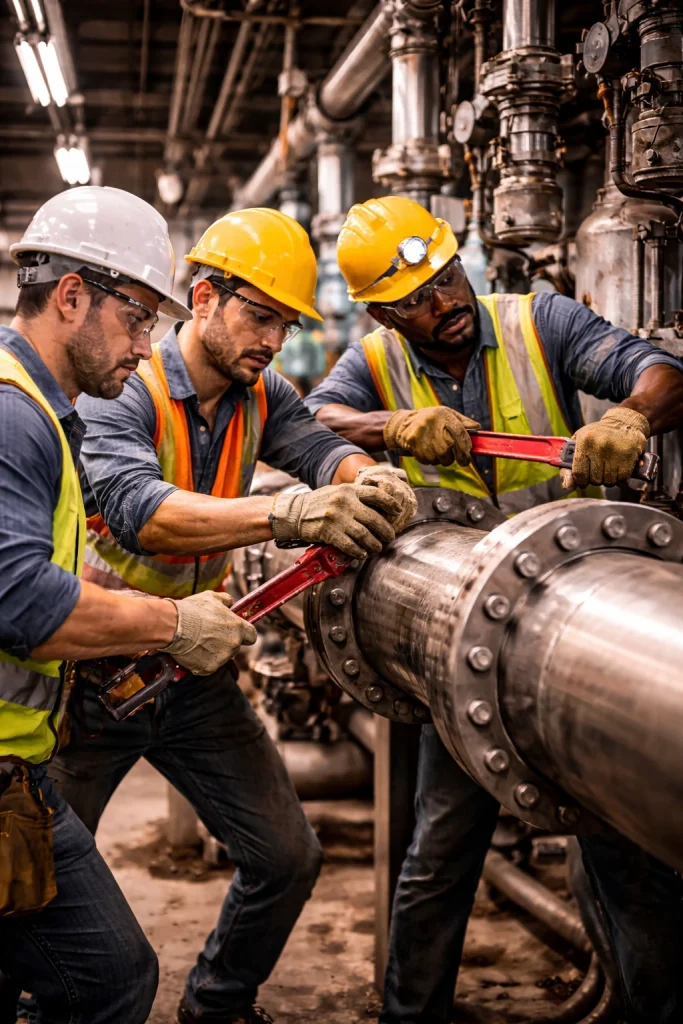
Industrial maintenance technicians keep factory equipment and production machinery running, covering routine service, breakdown repairs, and machine installation. The median wage was $63,510, with the top 10 percent earning more than $91,620.
Mechanics typically need a year or more of on-the-job training, while millwrights serve a three- to four-year apprenticeship. BLS projects 13 percent growth through 2034, the fastest of any trade on this list, with about 54,200 openings a year.
Pipefitter and Steamfitter
Pipefitters and steamfitters install and maintain the piping systems that move liquids and gases through industrial plants, including high-pressure systems in power generation and manufacturing. The median wage was $62,970, with the top 10 percent earning more than $105,150.
Fitters serve a four- to five-year apprenticeship. BLS projects 4 percent growth through 2034, with about 44,000 openings a year across the combined plumbing and fitting trades.
Plumber
Plumbers install and repair the water, drainage, and gas systems in homes and commercial buildings, from new construction to service work. The median plumber salary was $62,970, with the top 10 percent earning more than $105,150, matching the pipefitters who share the same federal wage category.
Plumbers train through a four- to five-year apprenticeship, and most states require two to five years of experience plus an exam to get licensed.
Welder
Welders join and cut metal parts for everything from structural steel and pipelines to ships and heavy equipment. The median welder salary was $51,000, with the top 10 percent earning more than $75,850, and a median of $57,310 at specialty trade contractors.
A high school diploma plus technical training or an apprenticeship is the standard route, and some states require a license. Growth is modest at 2 percent, but replacement needs keep about 45,600 openings coming each year.
Construction Manager

Construction managers plan, budget, and supervise building projects from the first permit to the final walkthrough. The median wage was $106,980, with the top 10 percent earning more than $176,990 and a median of $121,060 in heavy and civil construction.
Entry usually requires a bachelor’s degree in construction management or a related field, or a climb up from the trades; either way, new managers train under experienced managers first, and the top salaries come with years of project management experience. BLS projects 9 percent growth through 2034, with about 46,800 openings a year.
Boilermaker
Boilermakers assemble, install, and repair the boilers, tanks, and pressure vessels that power plants and industrial facilities depend on. The median wage was $73,340, with the top 10 percent earning more than $107,600, and medians reaching $91,350 in nonresidential building construction.
Boilermakers serve a four-year apprenticeship, and overtime is common during plant shutdowns. Employment is projected to decline slightly through 2034, but replacement needs still produce about 800 openings a year.
Wind Turbine Technician
Wind turbine technicians maintain and repair the turbines that generate wind power, often working 200 feet up. The median wage was $62,580, with the top 10 percent earning more than $88,090.
Techs earn a certificate or an associate’s degree in wind energy technology, then complete on-the-job training. BLS projects 50 percent growth through 2034, the fastest of any US occupation, with about 2,300 openings a year.
Solar Installer

Solar installers assemble and mount photovoltaic panel systems on rooftops and ground sites, then wire them into the electrical system. The median wage was $51,860, with the top 10 percent earning more than $80,150.
Installers typically start with a high school diploma and learn on the job within a year; some states require a license. BLS projects 42 percent growth through 2034, second only to wind techs, with about 4,100 openings a year.
Aircraft Mechanic
Aircraft mechanics inspect, repair, and maintain airplanes and helicopters to FAA standards. The median wage for aircraft mechanics was $78,680, with the top 10 percent earning more than $120,080 and airline-employed mechanics posting a median of $95,320.
Mechanics train through an FAA-approved maintenance program and earn A&P certification. Avionics technicians, the specialists in flight electronics, earn a median of $81,390. BLS projects 5 percent growth through 2034, with about 13,100 openings a year.
Commercial Diver
Commercial divers handle underwater construction, inspection, and repair, working on everything from bridge piers to offshore platforms. The median wage was $72,990 in 2025 federal data, and the top 10 percent cleared $136,990 in the most recent detailed wage breakdown from May 2023.
Divers train through commercial dive schools, with most earning a postsecondary certificate over one to two years of coursework and on-the-job experience. The trade is small, roughly 4,200 divers nationwide, but projected to grow much faster than average through 2034.
Instrumentation Technician
Instrumentation technicians calibrate, test, and repair the measurement and control devices that keep industrial processes accurate. BLS tracks under calibration technologists and technicians. The median wage was $65,040, with the top 10 percent earning more than $105,440 and a median of $93,740 in research and development.
An associate’s degree in a field like electronics engineering technology is the usual entry, though some start with a high school diploma and learn on the job. BLS projects 5 percent growth through 2034.
Which Trade Jobs Have the Highest Earning Potential?
For overall earning potential, elevator installers lead the highest-paying trade jobs at the median, while construction managers and commercial divers post the biggest top-end numbers. The table below compares trade jobs salary figures side by side, drawn from the same federal data as the profiles above.
| Trade | Median Pay | Potential Earnings | Training Required |
| Elevator Installer | $106,580 | $149,250+ | 4-year apprenticeship |
| Construction Manager | $106,980 | $176,990+ | Bachelor’s degree or trades experience |
| Power Line Installer | $92,560 | $126,610+ | Apprenticeship or OJT, up to 3 years |
| Aircraft Mechanic | $78,680 | $120,080+ | FAA-approved program, A&P certification |
| Boilermaker | $73,340 | $107,600+ | 4-year apprenticeship |
| Commercial Diver | $72,990* | $136,990* | Commercial dive school certificate |
| Instrumentation Technician | $65,040 | $105,440+ | Associate’s degree or on-the-job training |
| Industrial Maintenance Technician | $63,510 | $91,620+ | OJT or 3–4 year apprenticeship |
| Pipefitter and Steamfitter | $62,970 | $105,150+ | 4–5 year apprenticeship |
| Plumber | $62,970 | $105,150+ | 4–5 year apprenticeship, state license |
| Wind Turbine Technician | $62,580 | $88,090+ | Certificate or associate’s degree |
| Electrician | $62,350 | $106,030+ | 4–5 year apprenticeship, state license |
| HVAC Technician | $59,810 | $91,020+ | 6-month to 2-year program, EPA certification |
| Solar Installer | $51,860 | $80,150+ | OJT up to 1 year |
| Welder | $51,000 | $75,850+ | Technical training or apprenticeship |
Source: Bureau of Labor Statistics Occupational Outlook Handbook, May 2024 wage data. *Diver figures are the 2025 median and the May 2023 top-end, per the profile above.
What’s a Good Trade to Learn Today?
For anyone trying to pick a good trade to learn today, the trades that pay well include electrical work, HVAC, plumbing, welding, and industrial maintenance. Welding and HVAC offer the fastest ways in, with technical training that runs from a few months to two years. Electrician and plumbing apprenticeships take four to five years, but apprentices earn wages the whole way through.
Electricians see about 81,000 openings a year, HVAC adds roughly 40,100, and industrial maintenance is growing 13 percent, faster than any other trade on this list. HVAC and industrial maintenance run on repair work that holds up when construction slows, and electricians and plumbers get work from both new builds and service calls.
Do You Need Trade School to Get a High-Paying Trade Job?
You don’t need trade school for most of the highest-paying trade jobs, since apprenticeships are the main way in. Union locals, contractor associations, and employers run the apprenticeship programs, and electricians, plumbers, and elevator installers all train this way for four to five years while earning wages from day one. Formal programs are registered through the Department of Labor, and many teach craft training standards from the National Center for Construction Education and Research.
Some trade school careers do require classroom time. Aircraft mechanics need A&P certification, earned through an FAA-approved program; HVAC techs earn certificates in six months to two years, and commercial divers train at a dive school. A few trades skip both classroom time and formal apprenticeships, since solar installers and industrial maintenance techs can start with a high school diploma and learn on the job.
Why Skilled Trades Are More In Demand Than Ever
Pay statistics don’t tell the full story, since the demand for skilled trades is most evident in the jobs going unfilled. In a 2025 survey of nearly 1,400 construction firms, 92 percent said they were struggling to fill open positions. The gap is set to widen, since BLS projects faster-than-average growth this decade for most of the trades on this list.

It isn’t just construction, either. Manufacturing employment is projected to remain flat over the decade, yet the maintenance trades within those plants continue to grow. Energy trades like wind turbine technicians and solar installers top the entire national list for projected growth. For the highest-paying skilled trades, demand like that is what keeps pushing pay up.
Find High-Paying Trade Jobs With Superior Skilled Trades
Superior Skilled Trades connects workers to the companies behind the highest-paying trade jobs on this list. Employers are hiring for these jobs right now, and we fill them across construction, manufacturing, energy, and industrial work nationwide, from short-term projects to permanent placements. Companies come to us first to fill the best trade jobs, and those roles rarely sit open long.
Browse current openings on our Job Board to find skilled labor jobs and trade positions that match your experience. If you’re an employer hiring for these roles, tell us what you need through our staffing request form.
FAQs
Elevator installation is the highest-paying trade job by median wage, at $106,580 a year, with top earners clearing $149,250. Among the highest paying trades overall, construction management edges it at the median, but that role usually takes a degree, making elevator work one of the trades that pay well straight out of an apprenticeship.
Several trades can make over $100,000 a year. Trade jobs salary data shows elevator installers and construction managers both posting six-figure medians, and top earners pass $100,000 in electrical work, pipefitting, boilermaking, and instrumentation. Aircraft mechanics’ highest earners clear $120,080, and commercial divers lead the list, with top pay passing $136,990.
Electrician is the best trade to learn in 2026 for most people, with about 81,000 openings a year, a $62,350 median, and a license that travels to any market. HVAC and welding require months of training rather than years, making them among the best trade jobs for quick entry.
Some trade jobs do pay more than jobs requiring a degree. Elevator installers and construction managers out-earn many degree careers, and the trades get there without four years of tuition. Others sit in the middle, like a machinery maintenance worker’s salary, which falls under the BLS’s industrial maintenance group at a $63,510 median. A true comparison also reflects training costs.
Wind turbine technicians and solar installers are the fastest-growing occupations in the country, and electricians see the most openings of any trade on this list, about 81,000 a year. Across construction, 92 percent of surveyed firms report trouble filling positions in high-demand trades like electrical, plumbing, HVAC, and maintenance work.