
Rapid technological advances, massive public and private investments in various industry sectors, and an increasingly aging labor force all influence the number of jobs companies must fill and the pace at which they must do so. In this landscape, companies often feel pressured to decide quickly between stability, flexibility, effective cost management, and specialized skills. However, rushing this decision without carefully balancing needs and finances can be risky (and costly) in the long term.
Meeting your company’s workforce needs requires a careful balancing act between the pros and cons of temporary and permanent positions. A deeper understanding of when contract vs. direct hire relationships make the most sense allows both employers and employees to make informed decisions for their futures.
What Is a Direct Hire?
Direct hire is a permanent employment arrangement in which companies add employees to their long-term payroll. Workers who accept permanent positions receive a salary or set hourly pay, benefits, and the opportunity for training and career advancement.
In a direct-hire arrangement, both sides have made a long-term commitment. This makes it easier for workers who plan to be with a company long-term to integrate the values and beliefs that make up the company’s work culture.
Both businesses and workers benefit from stability in a direct-hire system. Companies establish clear payroll costs and work output while preventing the high costs of frequent recruitment. Workers get a stable source of income with the potential to move up the ladder. Both also benefit from the skill development employees receive in permanent positions, as this directly contributes to improved productivity.

What Is a Contract Position?
Contract positions are temporary, and companies often use them to fill project-based roles. If an emergency arises or your company has a busy season, you may need to find short-term skilled workers quickly. You may also need additional labor during the construction or expansion phases of a project.
Workers in contract positions may receive higher wages than permanent hires. However, they don’t receive company benefits, such as health insurance or 401(k) contributions. Contract positions work varies, but there are no long-term expectations for workers. Some job seekers are attracted to this kind of flexibility, as it allows them to decide on their own working hours and location.
Developing relationships with coworkers and becoming embedded in the company culture takes time, which can make it more difficult for contract employees to work seamlessly toward company goals.
The Key Differences Between Direct Hire and Contract Labor
Direct hires become part of the long-term company payroll, while people who sign short-term contracts either receive hourly pay or an amount specified for completing a job. Choosing permanent hires also means paying them company benefits, but the hourly wage you pay contract workers may have to be higher to attract them to a job without those benefits.
If you wish to integrate employees into the company culture, signing them up for a permanent position may be the best option. Direct hires have more opportunities and motivation to integrate into the workforce and align with company-wide objectives than a worker who knows they will leave after the project is completed.
Cost trade-offs can be the differentiating factor between permanent vs. contract hiring. For example, a contract position at a higher hourly wage makes sense if you only need an electrician for a few months. But if you have ongoing needs, you must choose between the cost of direct hire employment with benefits or continuing to hire employees on a contract-by-contract basis as needs arise.

The Pros and Cons of Contract Employment
Pros of Contract Employment
These are the benefits for workers and employers when positions are filled temporarily:
- For employers:
- Scaling up quickly to handle emergencies or unique construction and expansion projects
- Finding skilled tradespeople, such as electricians and HVAC specialists, who only work on specific phases of projects
- Adapting more quickly to changes, such as an increased demand for data centers
- Reducing costs for benefits for employees who are not staying long-term
- For employees:
- Potential for higher hourly pay
- Flexibility of not being tied to one company
- Ability to explore various career paths and build skills
Businesses might prefer offering contractual jobs, for example, for mega projects. They can choose workers whose skills are necessary at the beginning and throughout the project, but not after completion, such as construction workers, engineers, and large-machinery operators. Those workers may choose positions to benefit from short-term work.
Cons of Contract Employment
Offering employment on a working contract rather than a permanent basis is not without drawbacks:
- For employers:
- Risk of higher turnover rates amongst employees who don’t like the work or leave for a better position
- Difficulty maintaining workplace culture with employees who aren’t staying
- Recruitment challenges for in-demand skilled workers
- For employees:
- Limited job security
- No benefits or long-term training opportunities
- Difficulty finding a steady stream of nearby work
- Lack of time to form strong relationships with coworkers
Another employment option is temp-to-hire contracts, where an employee is in a temporary position, but with the possibility of becoming a direct hire after a set period. If you are on the fence about whether a short-term or long-term employee best fills a position, consider the contract-to-hire pros and cons.
Benefits and Drawbacks of Hiring Direct
Benefits of Direct Hire
Key benefits of direct hire for businesses and workers include:
- For employers:
- More time to teach workers about company goals and specific work requirements
- The potential for better productivity and teamwork
- Lower turnover rates
- Higher return on money invested in training
- For employees:
- Benefits such as health insurance and retirement plans
- More on-the-job training opportunities
- A clear path to career growth
- Becoming part of a work team and developing relationships with coworkers
For both employees and employers, direct hire positions are suitable when a long-term commitment is necessary to reach business and personal goals.
Drawbacks of Direct Hire
Permanent positions aren’t always the best fit for companies or workers. Some drawbacks of direct hire include:
- For employers:
- A slower, more expensive vetting and hiring process
- Higher initial costs for benefits, training, or bonuses
- Financial risks of benefits, onboarding, and training if a permanent employee leaves
- Less flexibility to adjust the workforce quickly
- For employees:
- Increased time to find a position
- More rigid scheduling
- Less flexibility to change roles
- Adapting to a workplace culture regardless of fit
Both companies and employees must consider the term “permanent position” a goal, not a promise. Some employees leave regardless of what companies do to keep them, and some companies eliminate permanent positions as fiscal outlooks or labor needs change.
Examples of Direct Hire and Contract Jobs
Companies fill positions with permanent hires when they have long-term needs that don’t change from project to project. Direct hire roles might include engineers, project managers, healthcare staff, and administrators.
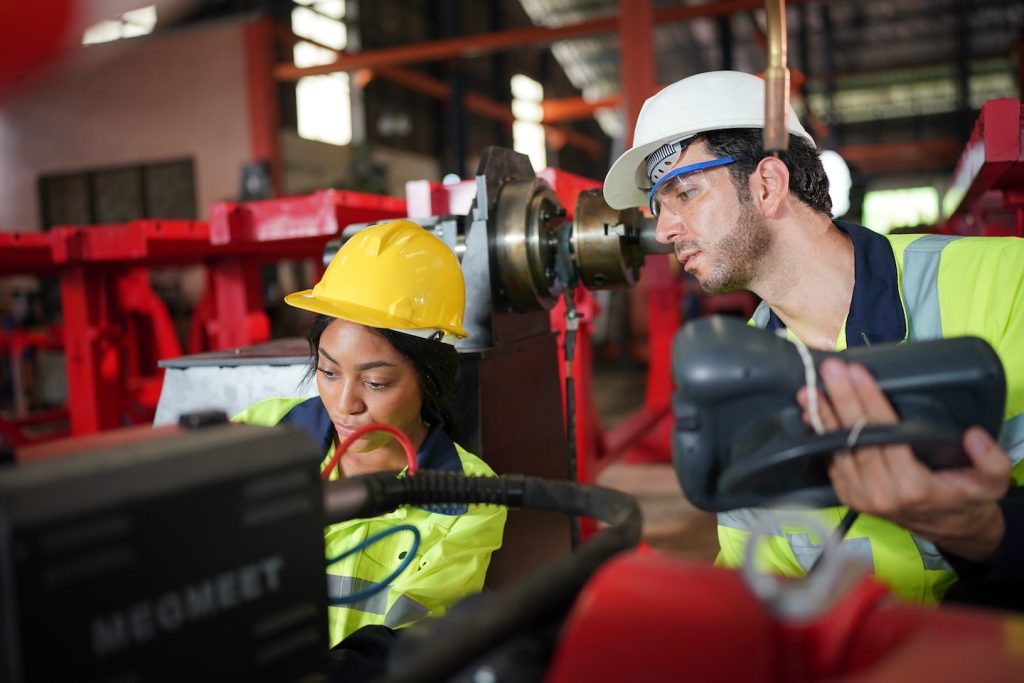
Businesses offer different types of contract jobs when they have to fill a temporary need for specific phases of a project or when the positions will no longer exist after work is completed. Contract roles are more common to fill needs in areas such as construction, IT consulting, skilled trades, and seasonal warehouse work.
If a project is large or requires people from several skilled trades, you may benefit from taking a hybrid approach. This involves considering the pros and cons of contract vs. direct hire employment for each role or phase of your project, and using both to fill out your workforce.
When Companies Should Use Direct Hire, Contract Labor, or Both
If you need long-term commitments and stability, offering direct hire agreements is a good fit. Permanent employees have more time and resources to adapt to the company culture, and you don’t have to worry about constantly having to fill the same position.
Contract labor works best when you have temporary projects, seasonal worker needs, or seek people with specialized skills in an area that doesn’t justify a permanent position. A staffing agency can help your recruiter scale up quickly with workers who are already vetted and have the necessary certifications.
Many businesses find success in using a blended approach. For example, staffing a renewable energy company may involve making core direct hires, such as project managers, as well as contractors for jobs needed for construction, expansion, or dealing with unexpected problems.
Find Talented, Skilled Labor With SST
Advertising, vetting, interviewing, and onboarding new workers, whether permanent or temporary ones, are time-consuming and costly processes. This is especially the case for companies that have to be able to adapt quickly as new projects arise. At Superior Skilled Trades, we remove the stress and time burdens of recruitment by providing companies with quick access to pre-qualified contract workers and long-term direct hire placements. When you partner with us, we help you find exceptional talent across the board so you can maintain a flexible yet dependable workforce to address your short and long-term needs.